SINGAPORE: Aramugam Sarathkumar, 30, a supervisor at a construction site in Singapore, has been suffering from cervical spondylosis-related neck pain for over two years. Every visit to a private clinic in Little India would cost him S$100 (Rs 7,000)—up until recently when he found a medical clinic that offers migrant workers physiotherapy and consultation at a fraction of the cost.
“There’s a big difference between earlier and now,” said the migrant from Pudukotta in Tamil Nadu who came to Singapore 10 years ago as a construction worker. “I pay only S$5 now for consultation, and my physiotherapy is free.”
The community clinic where Sarathkumar goes is part of a philanthropic initiative called MigrantWell Singapore. It was launched with seed capital of S$20 million by two prominent business families to support migrant workers after the Covid-19 outbreak exposed their appalling living conditions and lack of proper healthcare.
“They visited several potential sites for a medical centre, and brought St Andrew’s Mission Hospital (SAMH) on board, as a provider of medical services for migrant workers as well as the Singapore Business Federation Foundation (SBFF) to spearhead this initiative,” said Ho Meng Kit, chairman of MigrantWell Singapore, which has helped 19,280 workers with dental treatment, physiotherapy and psychological care services since 2021. SBFF has to date raised S$17 million towards this cause, which has helped set up five centres to provide medical services solely to migrant workers.
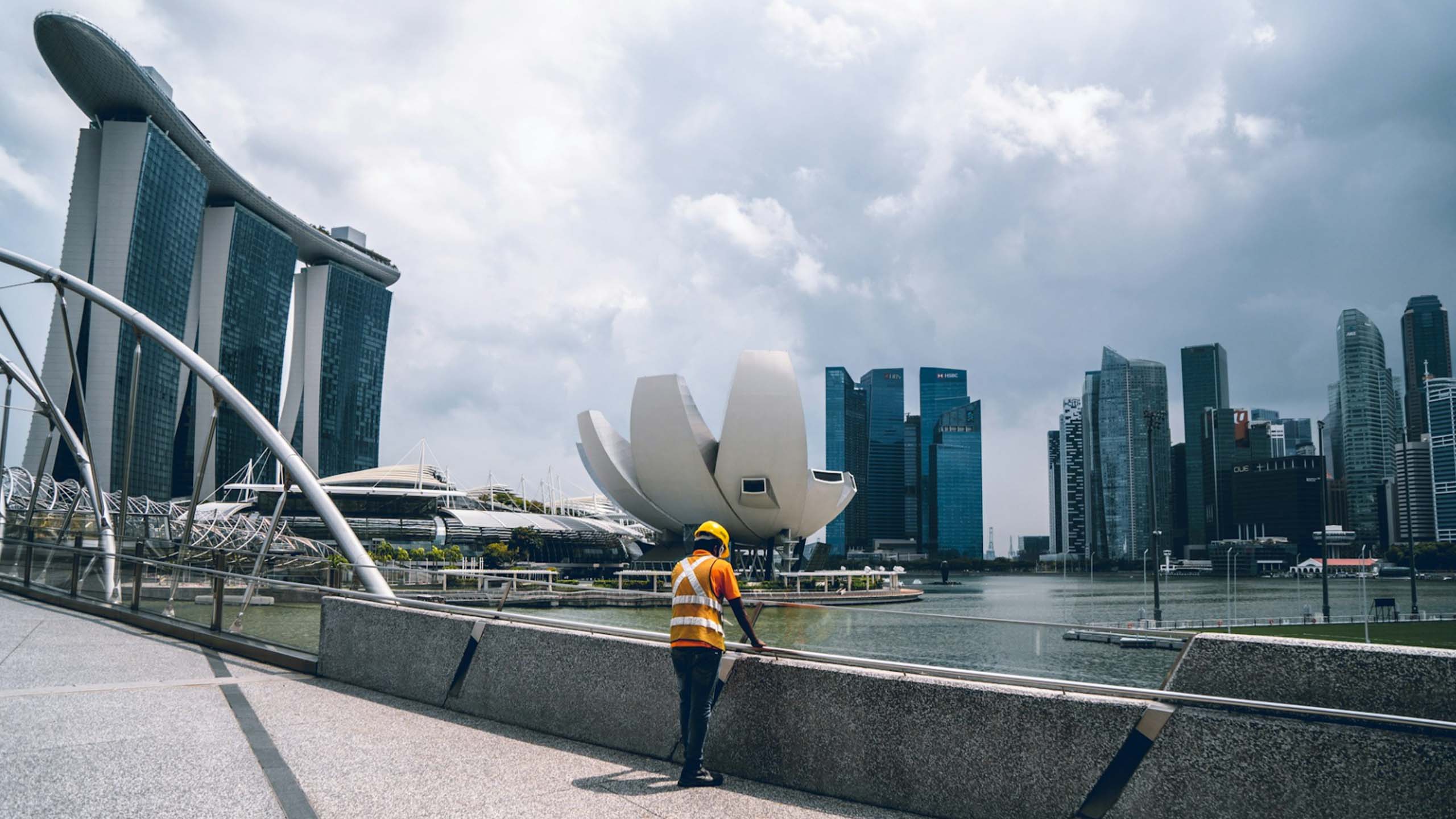
Singapore’s skyscrapers, modernist architecture and iconic landscapes are built by nearly half a million low-wage migrant workers, mostly from India, Bangladesh, Sri Lanka and China. According to latest data from the ministry of manpower, there is a 1.18-million migrant workforce in the small South-East Asian island, which includes 4,60,300 blue-collar workers who perform manual labour in construction, maritime and process centres.
The workers are housed in crammed dormitories, provided daily meals, and transported back and forth from their areas of work. “There are 20 of us who live in one big room on bunk beds,” said Murali (name changed to protect identity), who migrated from Madurai 12 years ago to do painting jobs for a construction company. “But I hear new and better dormitories are coming soon.”
In 2020, migrant workers who resided in dormitories made up for 90 percent of Covid-19 cases in Singapore, and many faced financial constraints in getting medical treatment. The lockdown that followed restricted movement as the country imposed strict testing, confinement and isolation measures.
It was the pandemic that opened people’s eyes to the wretched living conditions of Singapore’s migrant workers. “It brought migrant worker issues to the fore and arguably fostered a sense of empathy for them in the local population,” said Danielle Lynn Goh, a researcher at S Rajaratnam School of International Studies (RSIS) in Nanyang Technological University, who wrote a white paper on the health security of low‐wage migrant workers post the Covid‐19 pandemic.
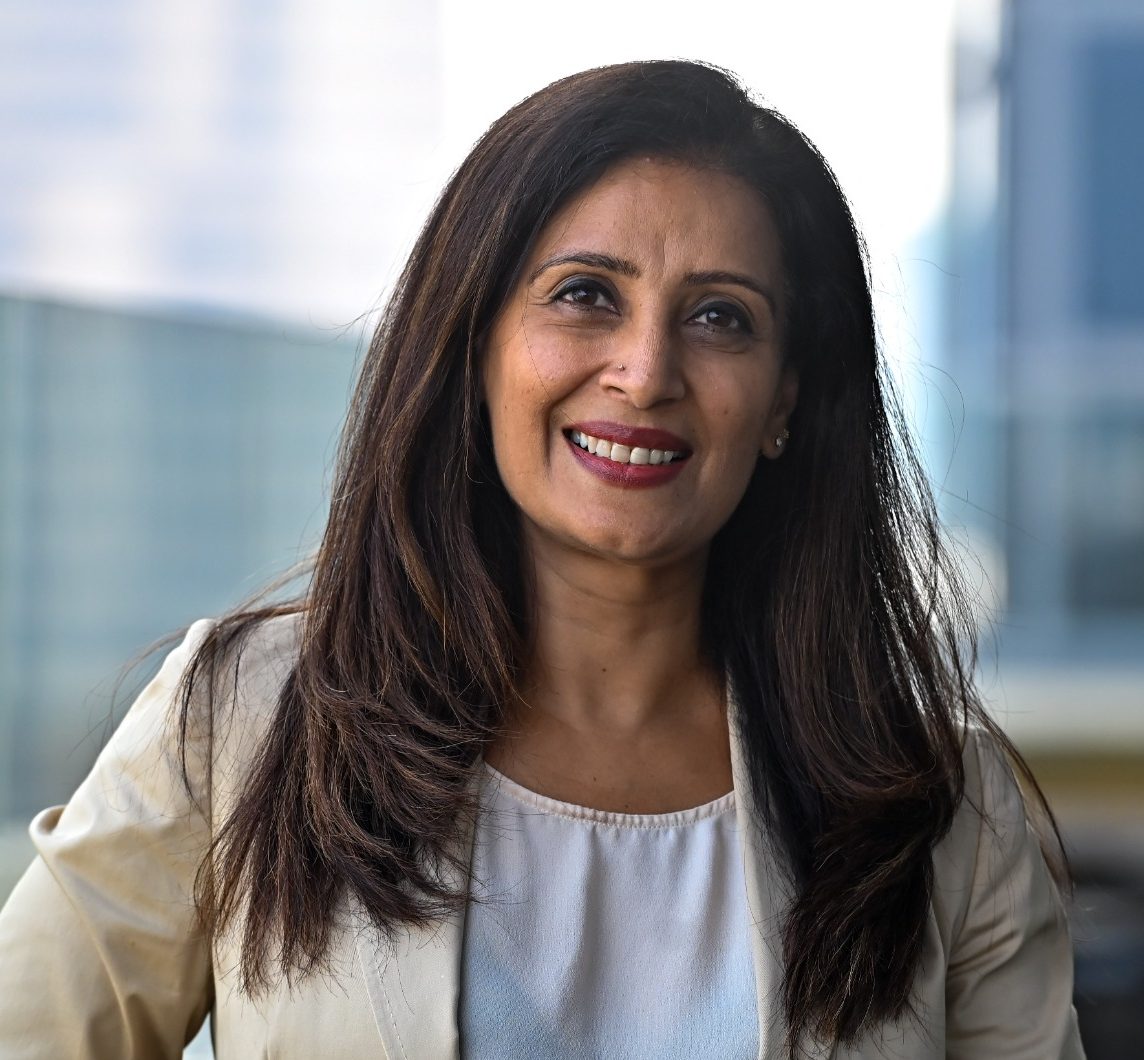
From improved healthcare and primary care plans to mental health consultations and donations, the people of Singapore sprang into action as awareness grew about hardships faced by the migrant men who helped build and rebuild the country’s iconic infrastructure. The most vocal was Dipa Swaminathan, 54, a Harvard-educated lawyer, TED speaker and three-time recipient of the Singapore government’s President’s Volunteerism and Philanthropy Award.
Swaminathan’s association with migrant workers began in 2014 when she pulled her car over on a rainy day to help two soaked migrant workers crouched under a cardboard sheet. She took them home, gave them dry clothes, money and coffee, and also her phone number.
It was this number that saved the life of one of the two several weeks later, when, overwhelmed with debt and distress, he tried to commit suicide. The only number the police found on him was Swaminathan’s, who rushed to help Murugan, drumming up support to clear his debt and get his employer to pay pending wages.
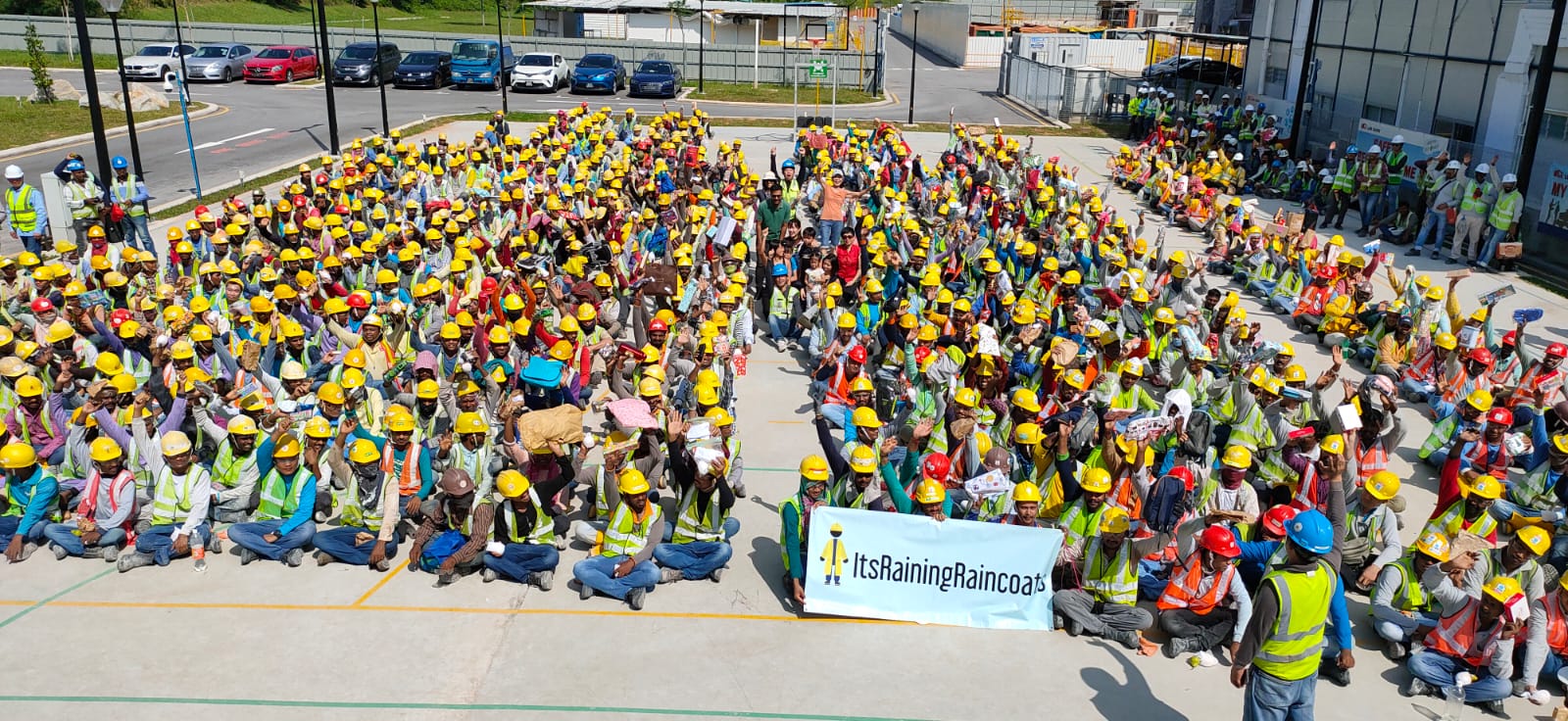
A few weeks later, on another rainy day, she saw another set of migrant workers wearing garbage bags in the rain. She called their employer and threatened to take action if they did not provide raincoats to their workers. The threat worked, and with that she founded her NGO, It’s Raining Raincoats (IRR), with the goal of providing basic necessities—beyond raincoats—to migrant workers.
“It started with just me and it has grown into its own movement,” said Swaminathan, referring to the 1,500 volunteers rallying behind her cause. “Our volunteers are where the magic happens. They are professionals who give their time to this cause; they bring that inherent intelligence and smartness, but on top of that, they bring passion, which is something you can’t buy.”
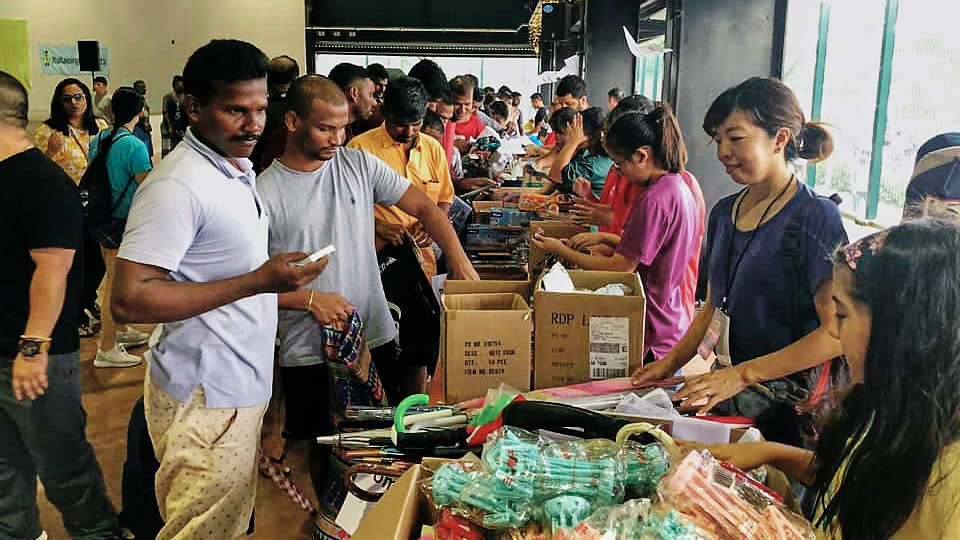
As donations surged, IRR started a free store for migrant workers—the only one of its kind in the world—which is organised with a diligent process of documentation, accommodating 20 shoppers in a two-hour slot. Workers sign up, visit at their slotted time, present their IDs, and also go through a checkout process.
“They get unused toiletries, everyday essentials like soap, shampoo, deodorants, toothpaste, toothbrushes, clothes, shoes, and small electrical appliances such as portable fans and rice cookers—the latter are incredibly popular,” said Pavithra Kabir, a lawyer herself and a volunteer at IRR. “We also take into consideration how often the workers visit—if they have already come in the last six months, we ask them to apply a little later because we want to give as many people as possible a chance to avail of this benefit.”
Order is well maintained in the free shop, synonymous with the discipline in a country where vandalism is punished with fines and imprisonment. “The workers have far more integrity, character and principles than people I know in other fields who are much higher up in the pecking order,” said Swaminathan.
As more and more migrant workers avail of IRR’s generosity, the challenge, even with thousands of volunteers, is managing the overwhelming demand and finding sources to meet those requirements, said Swaminathan. For example, migrants who have to walk to places of work request bicycles, which volunteers then try to source from willing donors.
“Many can’t speak English well, and the moment they find one of us speaking in Tamil, they reach out a lot more,” said Vidhya Venkat, another volunteer who heads the bicycle programme for IRR and is very active during Deepavali and Christmas gift collections.
“They (IRR) helped us with so many things… not just food items but also fridges, TVs, fans. They help us daily and at festival times too,” said S S Kumar, a maintenance supervisor who arrived in Singapore 15 years ago as an electrical technician to service 420 rooms in a dormitory that housed 5,000 workers. “Sometimes they arrange transport too since we stay in Tuas. The taxi fare is very high, and at midnight, we can’t get any (public) transport.”
The people of Singapore are exemplary in how they owned the responsibility of keeping migrant workers safe and inclusive after Covid: respecting them, feeding them, counselling them; rehabilitating them by providing food, language lessons, dental services, medical care, painting classes, yoga and meditation and lots more.
Anthea Ong, a former member of Parliament, entrepreneur and social advocate, is known for championing the cause of migrant workers. During the Covid-19 lockdown, when locals were resisting workers being moved to residential areas, she coined the ‘Welcome In My Backyard’ or ‘Wimby’ initiative to counter the anti-migrant ‘Not In My Backyard’ sentiment from the community, and managed to influence the latter positively.
“Because of the spread of Covid in the workers’ dormitories, the essential workers who were not affected needed to be removed into old HDB blocks (local residential buildings by the Housing Development Board) and old schools in the heartland, and we were facing quite a bit of pushback from citizens and residents,” explained Ong, who has voiced her support for the workers at parliamentary sessions too.
“Ground-up initiatives and community programmes such as the migrant workers’ dragon boat team, migrant writers of Singapore (a platform for literature and the arts), and interactive activities and excursions organised by ItsRainingRaincoats, provide a platform for migrant workers to pursue their interests outside of work,” said researcher Goh.
The migrant workers are employed by contractors who provide food, housing, work permits and basic medical help, facing hefty fines if caught violating the country’s strict laws. Daily wages differ depending on the job, but typically a construction worker’s monthly salary ranges from S$600 to S$800, and can go to S$1,200 with overtime, said Ong.
As with everything, there is a structure and stringency in Singapore. Employers are expected to arrange catering services and dormitory canteens. Caterers deliver pre-cooked meals, sometimes regional dishes, in large quantities to dormitories before vans and trucks take workers to construction sites.
But the meals are nothing to write home about, said two workers at a construction site who agreed to speak during their lunch hour.
“Our meals are made in bulk; sometimes it is rice, vegetable and sambar (lentils) all thrown into a plastic bag and sealed,” says Vijayan (name changed to protect identity), who came to Singapore 18 years ago from Chennai.
“If you chuck the chicken we get for lunch against a wall, it will surely create a dent,” laughed his friend Murali before quickly checking himself and adding, “But I shouldn’t complain… at least I get food, shelter and respect here.”
To address the meal issue, Swaminathan’s team has partnered with Starbucks outlets to supply unsold food to migrant workers every evening. Starbucks donates ready-to-eat meals to food banks in the US too, and Swaminathan wrote to the CEO of Starbucks, requesting a similar arrangement. “I told him about our migrant workers, and said why not do it in Singapore too?” she said.
While food remains a sore point, small steps are being taken to uplift migrant workers’ housing and healthcare environments. The ministry of manpower launched a multiyear roadmap in 2021 for assurance, care and engagement of migrant workers and to transform three key areas: liveability in dormitories, affordable healthcare and boosting social well-being. Features in the new dormitories include better room ventilation, privacy nooks, 24/7 food access as well as dedicated spaces for socialising and prayers. The first such government-built-and-owned dormitory welcomed migrant residents in December 2025, ahead of its official opening in January 2026.
“Even if my living conditions are terrible, because of my wages we have air-conditioning in my house in Madurai and my daughter goes to a private school,” said Murali, who is planning to go home to attend the Chithirai Thiruvizha, a major Tamil festival, celebrated at the Meenakshi Amman temple.
A new primary care plan was also launched by the government with the help of a network of medical centres and hospitals so that migrant workers could find clinics close to their dormitories. Other initiatives include a 24-hour crisis helpline with trained volunteers who speak many languages, monthly newsletters that provide tips on overcoming stress and mental health issues, and a preventive health framework for early detection and management of common chronic and oral health conditions. The government has also enhanced medical insurance coverage for low-wage migrant workers, mandated hourly breaks and introduced penalties for employers who don’t adhere to heat stress measures.
Since 2021, the MigrantWell initiative has seen 75,671 visits by migrant workers seeking medical consultations, vaccinations and follow-ups through medical partners like the St Andrew’s Migrant Worker Medical Centre at the Penjuru Recreation Centre.
“Many workers have musculoskeletal pain; some have had it for 10 years,” said Zoe Ang Xue Yi, a physiotherapist who sees about 10 to 15 migrant workers every day. “The most common injuries are due to poor ergonomics and heavy lifting.”
Social advocate Anthea Ong also launched the CritiCare Fund for Migrant Workers in 2024 to help crowdsource funds for migrant workers diagnosed with critical illnesses like cancer. The Fund was inspired by earlier public fundraising efforts by her and fellow Singaporeans to foot a bill of nearly S$100,000 for Rubel Fazley, a two-time cancer patient who unfortunately lost his life last year.
“The money we gathered for him will keep his family and son back in Bangladesh safe and comfortable,” said Ong.
Meanwhile, Swaminathan’s IRR celebrated its 10th anniversary in 2025 with a fund-raising gala. To the attendees’ surprise, migrant workers walked the ramp, well-dressed and suave, mingling with the crowd at the luncheon, grateful for the inclusivity and generosity shown to them.
“You see them as a mass doing road work, you see helmets and jackets. You don’t look at their eyes, face, jawline, hair or how handsome and tall and fit they look,” said Swaminathan. “The whole idea was to show them as individuals: they have personality, they have swag.”
Kumar, the dormitory technician, lauds Singapore’s support for the once-invisible workforce.
“I salute the people of Singapore,” he said. “They are good-hearted and a huge support to migrant workers.”
Edited by Radha Rajadhyaksha
Kavita Chandran is an international journalist, professor and author based in Singapore