13 min read

A year of missing names, migrants’ identity crisis, and resilience

Indian migrants this year experienced hostility both within and outside the country, even as they tackled rising risks from extreme weather events. But migration also continued to bring hope, celebration and dignity to countless families. A look at stories we covered in 2025.
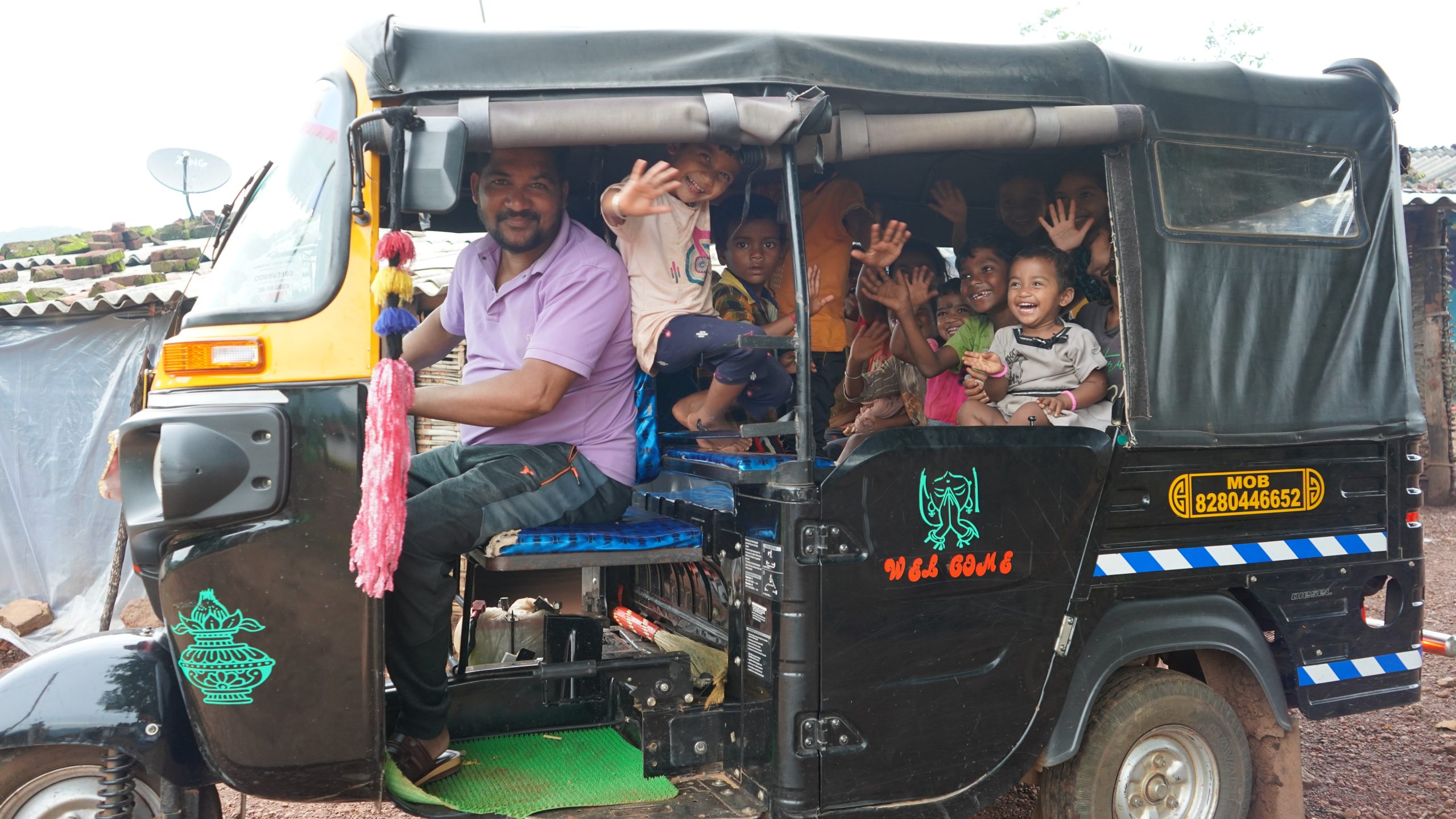
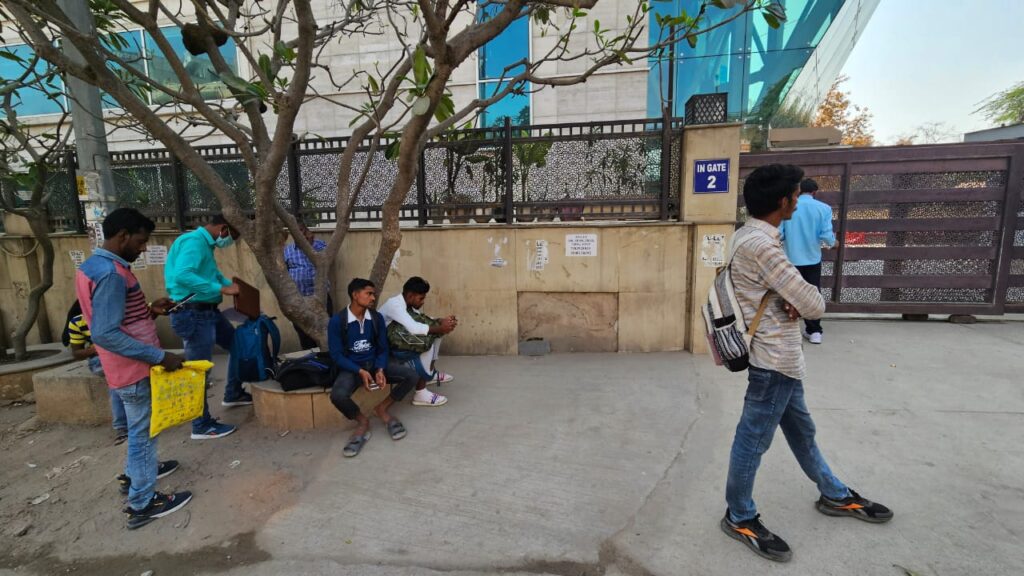
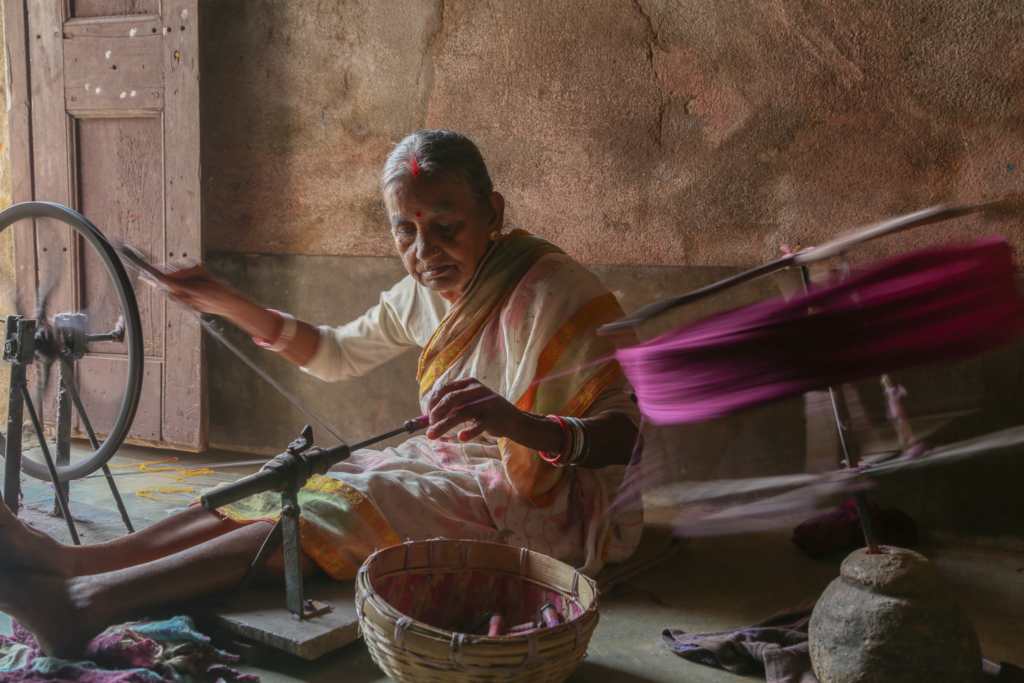
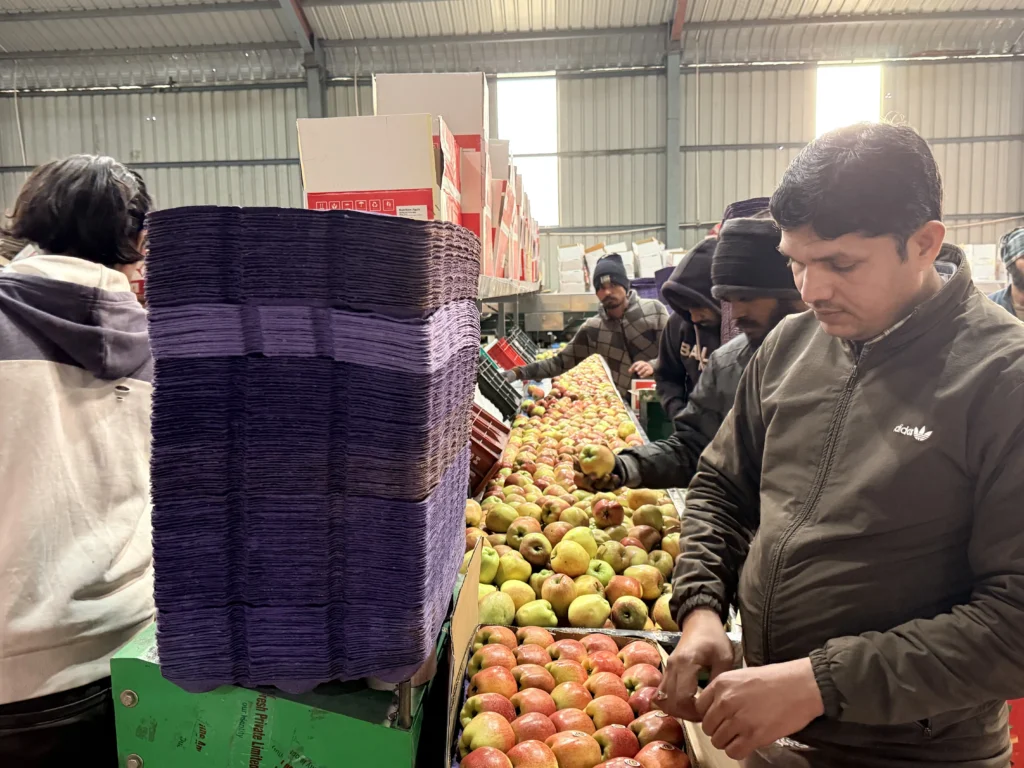
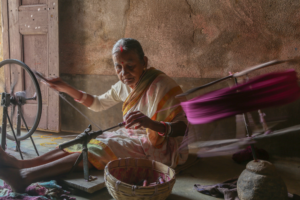
A year at a glance through various images captured by different reporters throughout the year

Migrants rarely announce their arrival. They arrive in packed buses at dawn, live in tenements in front of unfinished buildings at dusk, carry ration cards in polythene bags, and hurry back home if their names go missing from lists that matter. They bring with them not just their bags and hopes for an income in the city, but a slice of their rural life: their folk songs, festivals and food. 


In 2025, The Migration Story followed these movements closely, not as isolated crises but as part of a larger, shifting landscape where work, climate, politics, culture, and citizenship intersect.


This year-ender brings those threads together.


THE ‘ILLEGAL MIGRANT’

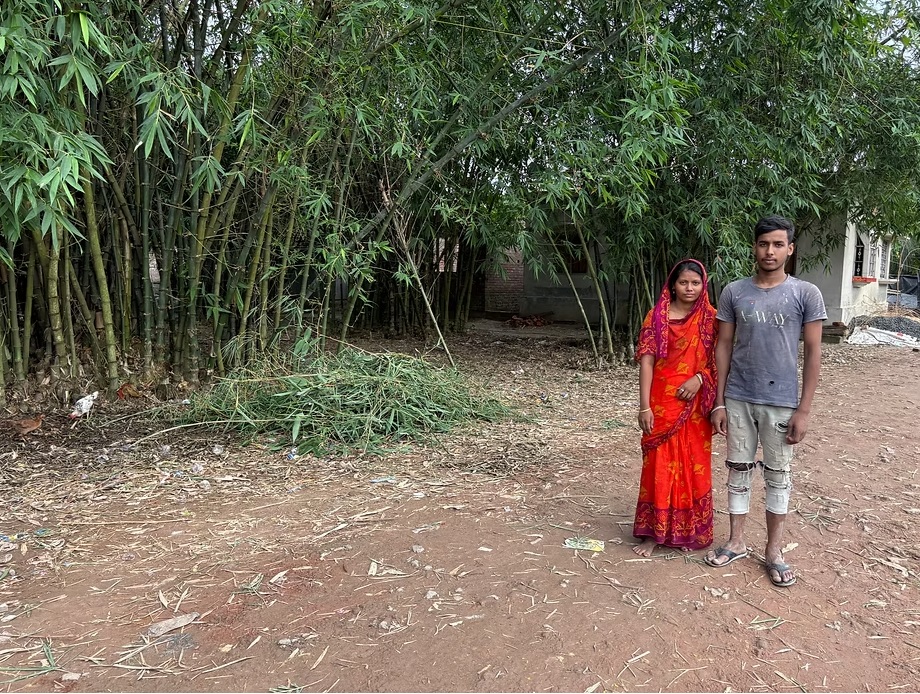
Fajer and Taslima Mondal outside their home in Hariharpur village in West Bengal’s North 24 Parganas district, after they were brought back to India. They had been pushed into Bangladesh on the suspicion of being foreigners. Neha Banka/The Migration Story

Earlier this year, the US started deporting Indian migrant workers from the US, raising concerns even in the Indian Parliament, over the use of handcuffs, waist chains and leg irons on Indian deportees aboard US-operated flights. In the past year, over 2000 Indians have been deported.


A Parliamentary Panel that raised concerns over such deportations also highlighted rising exploitation of Indian jobseekers in many South Asian countries like Cambodia, Myanmar and Laos where they were lured via fake job offers and were later forced into cybercrime and scam operations.


One of the stories that highlighted the plight of Indian migrants in foreign countries was “Hanging by a thread: Nimisha Priya’s case spotlights plight of Indian migrants jailed overseas”, that focused on Indian migrants navigating foreign legal systems with minimal institutional support. The story highlighted how class and caste shape access to justice abroad; those who migrate as workers often lack legal literacy, translation support, or sustained consular intervention.


As concerns over Indian migrants in foreign nations continued, internal migrants in India found themselves being subjected to violence and hostility.


In Gurugram, journalists Naila Khan and Uzar Usmani, through their video report documented how a police crackdown emptied Bengali-speaking migrant neighbourhoods almost overnight. Workers, many employed in domestic work, construction, and sanitation , left en masse, fearing detention and violence.


In “We are very much Indian citizens”, Neha Banka documented the everyday harassment faced by migrant workers accused of being outsiders in their own country. Language, religion, food habits, and even clothing became grounds for suspicion.


An excerpt from the story : Taslima and Fajer got into the police van, but little did they know that this was the beginning of a week-long nightmare. In June this year, the Mondals along with five other migrant workers in Mumbai – all Bengali-speaking Indian Muslims – were detained by the police for allegedly being ‘illegal’ Bangladeshis.


The Mondals were among the seven people who were transported from Mumbai to West Bengal and then forced across the border to Bangladesh allegedly at gunpoint by the Border Security Force (BSF). In their own telling, the migrants, most of them born and raised in West Bengal’s border villages, had moved to the city seeking better work opportunities. “


Similarly, “Jeans Jihad”, a video report by Omair Farooq and Vipul Kumar, examined how communal rhetoric pushed Muslim migrant tailors from Delhi’s garment clusters. The story showed how political narratives seeped into workplaces, turning skilled workers into targets.


Yet, not all stories were bleak. In Amid deportations, an Indian state offers lessons in safe migration”, Mahima Jain documented a state-led initiative in Kerala that treated migration as a governance issue. The state is one among the many that sent the most women workers abroad to work as domestic workers or nurses, according to a 2018 ILO report. Pre-departure counselling, verified recruitment channels, and helplines helped migrants avoid trafficking and fraud.


MIGRANTS & ELECTIONS

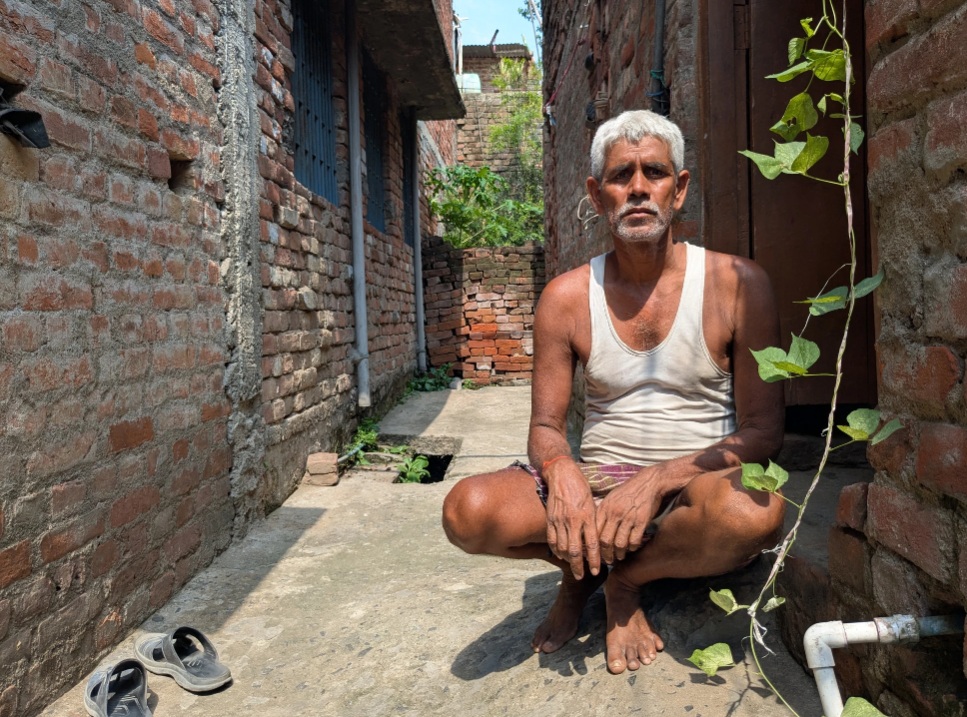
Sudhir Ram poses for a picture in the courtyard of his house. He fears that if his sons’ names are removed from the voter list here, they will lose their citizenship. Umesh Kumar Ray/The Migration Story

The year 2025 also witnessed state elections in Bihar apart from local body elections in Maharashtra and Goa. Here too, migrants were in focus with the government carrying out the Special Intensive Revision (SIR) procedure. In Tamil Nadu for instance, 66.44 lakh voters who had permanently shifted or migrated were deleted from the electoral rolls. In Bihar the number was 36 lakh.


The election commission had issued front-page ads in newspapers and also put out social media posts on the ongoing Special Intensive Revision, Anuja reported on how many workers in the national capital were unaware of the revisions owing to poor literacy and poor access to digital platforms.


An excerpt from the story : “I had a voter identity card but it got stolen during one of my journeys. Until now, I was only worried about getting a new card. No one told me about this drive, not even my family members back home. Now you tell me, what is my recourse?” said an exasperated Pal.”


While another story explored how migrant workers from Bihar were spending weeks’ wages and sacrificing festival visits to ensure their names remain on the electoral rolls amidst the ongoing special intensive revision.


Excerpt from the story: Mukesh Paswan was working at a rice mill in Hyderabad when his wife, Geeta Kumari, made a distress call from Akbarpur village in Bihar’s Nalanda district – 1500 km away from Hyderabad. The call was not related to any family issue, but an alert to an impending threat to his name being removed from the state’s electoral rolls.


“I took a bus and reached Secunderabad railway station late at night after paying 350 rupees,” he said. He spent the night at the station, so that he could ensure he got on the Danapur Superfast Express at 9.30 am. From there, it was a 36-hour journey to Danapur in Patna, and then a bus ride before he reached home late at night on July 8. He had spent 20% of his 20,000 per month salary to get home.


THE EVERYDAY VIOLENCE OF LABOUR

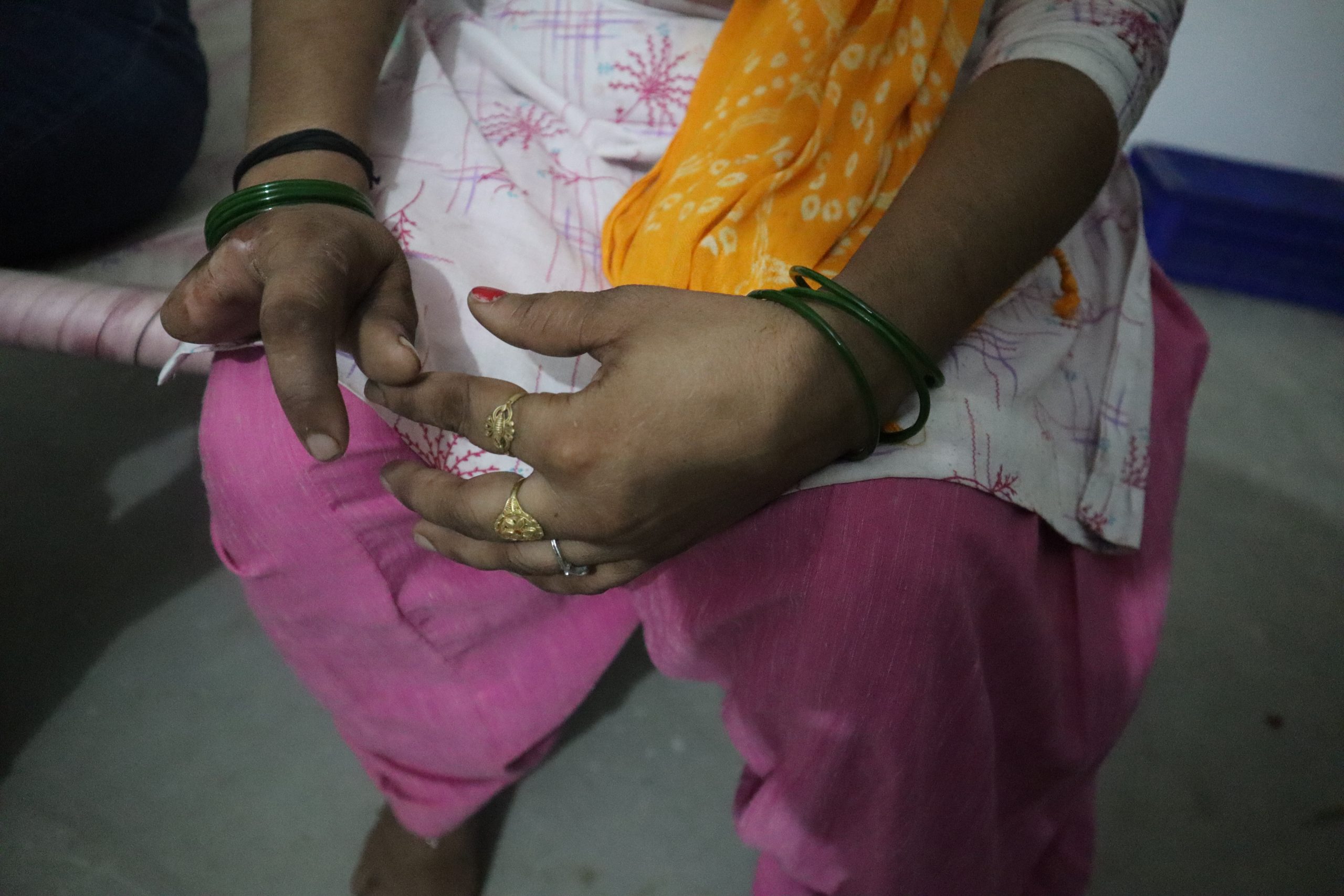
37-year-old Bhoodevi glancing at the stumps of her amputated middle, ring and little fingers. Sanskriti Talwar/The Migration Story

In December 2025, a fire ripped through a restaurant-cum-club in Goa, claiming as many as 25 lives. Among the dead, 21 were migrant workers—many of whom had come seeking stable livelihoods in the tourism economy, earning between Rs 15,000 and Rs 25,000 a month. As The Migration Story reported, their deaths were quickly absorbed into the language of tragedy: an “incident”, an “accident”, an “unfortunate fire”.


This story raised many questions, about safety at work, about the arduous task of taking the bodies back home, about the ordeals that the families go through far away from the site of such accidents.


These questions were echoed through another story as well, “Crushed fingers, delayed aid: Invisible injuries in India’s auto sector”. In this reported piece by Sanskriti Talwar, she traced how migrant workers in automobile hubs routinely suffer injuries that never make it into official records. Fingers crushed in machines, fractures treated with home remedies, burns endured without compensation, injuries were normalised as part of the job.


One worker told the reporter that seeking medical help meant losing wages, risking dismissal, or being labelled “weak”.


An excerpt from the story: Workers that The Migration Story spoke to said that safety guards were usually left out because factory owners believed they slowed down production. This callous cost-cutting measure, they said, leaves the door open to immense danger—if a worker’s hand is still inside when the press descends, the result can be devastating, often crushing or amputating fingers. Workers also pointed out that such injuries were often the result of poor maintenance of old machines.


At the hospital, the company owner visited her. “It wasn’t your fault or ours. It was written in your fate,” he told her. In the company’s accident report, it was stated that a trolley had accidentally run over the power press pedal. 


Bhoodevi’s fingers were amputated that Saturday night. She took Sunday off. On Monday, she returned to work.


The story highlighted that more than 7,000 auto-sector workers have suffered severe workplace injuries since 2016, mostly in the supply chains of India’s top automobile brands. But injuries and owner negligence remain underreported, says a report by non-profit Safe In India.


Apart from automobile sectors, similar patterns were also observed in other migrant labour sustained high-growth sectors, like, tourism, manufacturing, mining, without corresponding investments in safety or accountability.


In Andhra Pradesh for instance, six migrant workers from Odisha were killed in a granite quarry accident. Granite from the quarry would go on to polish kitchens and office buildings elsewhere.


These stories highlighted similar patterns : safety audits often excluding contract labour, unfavourable compensation mechanisms and the long distances between home and place of work.


Some stories also pointed to emerging responses: worker unions documenting injuries independently, legal aid groups training migrants to demand written contracts, and local NGOs pushing for safety compliance tied to industrial licences.


OF HEAT STRESS AND FLOODS
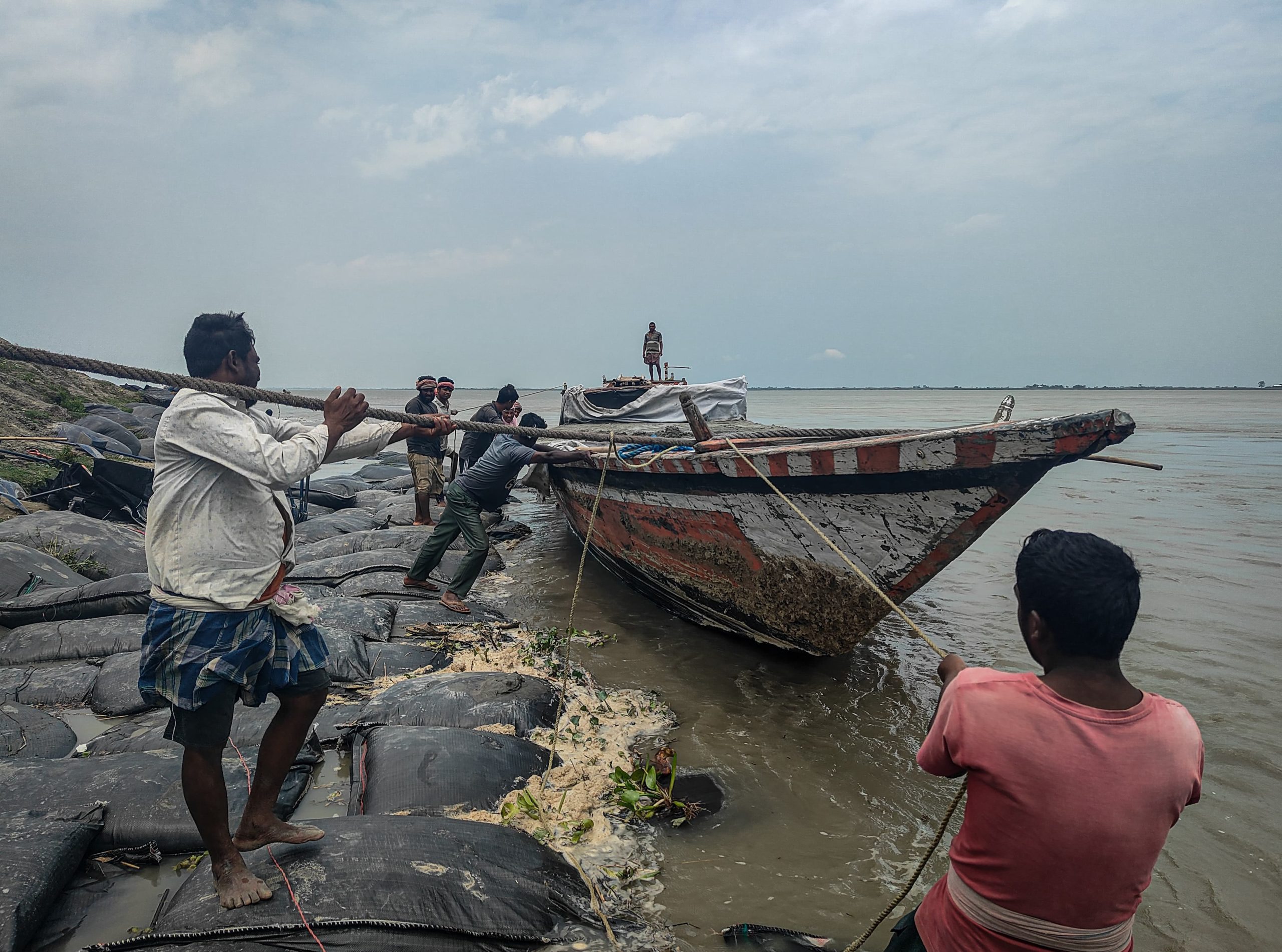
Local authorities employ labourers to work on preventing erosion in Dhubri district of Assam. Mahmodul Hassan/The Migration Story

According to the Migration Data Portal, as of the end of 2023 at least 7.7 million people across 82 countries had been displaced due to disasters, many events linked to climate change such as floods and storms. The World Bank’s Groundswell report projects that climate change could force up to 216 million people to migrate within their own countries by 2050 if warming and resource stresses continue.


In Assam, journalists Sanskrita Bharadwaj and Mahmodul Hassan chronicled how recurring floods and river erosion uprooted families year after year. In “Displaced and disregarded: The plight of Assam’s erosion victims” and “How recurring floods fuel migration in Assam”, the reporting showed how people migrated not once, but repeatedly—losing land, documents, and access to welfare each time.


An excerpt from the story : Eighty-year-old Moijuddin Sheikh, dressed in a black T-shirt and lungi, summons strength from his frail body to desperately dismantle his bamboo-and-tin-sheets home. The Brahmaputra river is less than five metres away; its fast flowing water takes away chunks of soil. Each hour brings it inches closer to Sheikh’s home.


Nearby, angry residents of Wahab Bazar, a market on the river’s southern bank in Assam’s Dhubri district – near the Bangladesh border – have blocked a road. Brahmaputra has already eaten into much of the village and displaced many. The impromptu protest demanded land and rehabilitation for families affected by the erosion.


Elsewhere, heat emerged as a slow but relentless driver. In “In furnace-like factories, the struggle for water and wage”, Laasya Shekhar, reported how migrant workers spoke of dehydration, collapsing shifts, and wage deductions during heatwaves.


One of the workers V. Priya, told the reporter, “My sleep was never disturbed before I joined the factory seven years ago. (Now) my legs are sore, my body aches and I am too tired. But I cannot sleep,” said Priya, who works in a spinning mill in Dindigul, where she migrated seven years ago from neighbouring Karur district because “there is always work here”. 


In Asia’s largest wholesale fruit and vegetable market, in Delhi another story examined how rising temperatures reshaped work hours, productivity, and health—without corresponding changes in labour protections. The story explored a typical workday of worker Ramakant Yadav who on this day, when the mercury was hovering around 40 degree Celsius, was carrying three sacks of peas, each weighing 25kg, on his head, making 30 rupees for each sack. He put in 12-hour workdays with short breaks, and no days off.


As the heat intensifies with each passing year, the story served as a reminder for the need for worker-specific interventions in heat action plans.


MIGRATION AND CULTURE

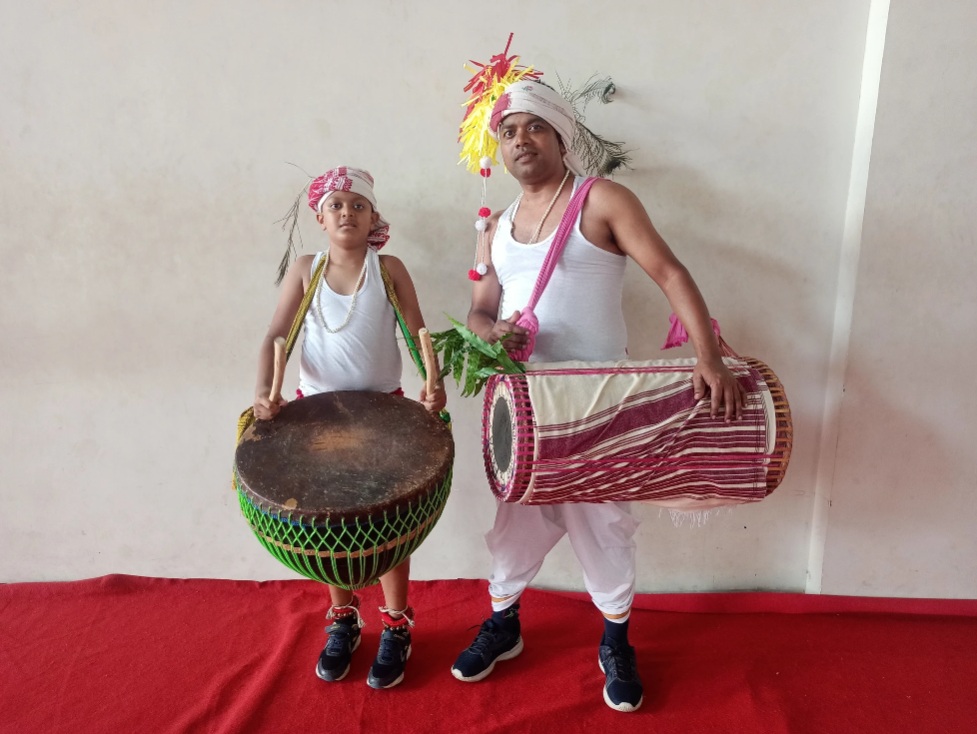
David Baxla, a migrant worker from the Oraon tribe, and his son with their traditional drums right before their performance at Karam Utsav. Rosey Mukherjee/The Migration Story

Carrying a part of your mother’s cooking, your home food and the songs of your favourite festival. Our stories on migration celebrated the continuity of life in unfamiliar spaces.

A story documenting Bengaluru’s Khanavalis or celebration of Karam documented eateries and gatherings where meals and celebrations doubled as memory. In one instance, migrant cooks recreate the cuisine from their hometown in northern Karnataka, anchoring identity in food, in another 1000 migrants gather for a harvest festival that celebrates their Adivasi culture and helps them forget about their hardships for a while.


Khanavalis – the small roadside eateries in India’s Silicon Valley with patrons ranging from blue-collar workers to office going, keyboard thumping IT professionals, are a hit for the taste of home for many. The women running the kitchen speak of the demand for their food and specific items like the tomato chutneys that patrons just insist on.


Yet another story from Odisha, shed light on how with men migrating out, women took charge of the traditional sankirtan mandalis and were now enlisted by the forest department to spread awareness on forest fires. The women, who had barely stepped out of their homes, found new learnings, freedom and confidence with this engagement.


THE REMITTANCE REMEDY

Sitram Naik is among the more successful migrant workers in the block, converting his earnings to buying an autorickshaw and grocery store, July 19, 2025. Prajjwal Thakur/The Migration Story

Amid precarity, some stories also offered glimpses of what happens when migration is supported. Stories explored how remittances and creating opportunities at home arrested migration and built better lives.


A report from arid Marathawada, explored how livelihoods in Maharashtra’s Marathwada region, which were wrecked by the agrarian crisis, were provided a viable alternative through dairy farming for farmers and migrants who returned during the pandemic. The story showed how steady incomes, access to credit, and local markets could reverse distress migration.


In migration-prone Uttarakhand, a fresh crop of women leaders”, followed women who stayed back as men migrated. Over time, they emerged as leaders—managing resources, negotiating with officials, and reshaping local governance.


Another powerful story traced how migrant earnings transformed some of Odisha’s poorest households. Kalahandi district in Odisha has, for decades, been plagued by crushing poverty, hunger and starvation deaths. While some issues have been addressed by nationwide legislation in rural areas – including subsidised grains, the right to education and protecting forest land among a swath of development initiatives – the problem of job creation and sustainable livelihoods has persisted, driving an endless cycle of migration.


And now many young migrants from Thuamul-Rampur block of the district are changing their lives and that of their families by fuelling their remittances from Kerala into investments, not only diversifying their income but also contributing to the local economy.


And finally a story that brought everyone immense joy, was how a migrant from Odisha, 19-year-old Shubham Sabar working at a construction site in Bengaluru cracked the NEET exam. His journey from daily-wage labour to medical college illustrated migration’s often-overlooked dividend: aspiration.

Aishwarya Mohanty is Special Correspondent with The Migration Story

Author

  • Aishwarya Mohanty is a Special Correspondent with The Migration Story and her work amplifies voices from India’s heartlands. Her reporting spans gender, rural issues, social justice, environment, and climate vulnerabilities. Formerly with The Indian Express, her work has appeared in Mongabay, The Migration Story, Behan Box, Article-14, Frontline, Al Jazeera, The Guardian, and others. She is also the recipient of the ICRC-PII Award for climate change reporting (2021), the Laadli Media Award for gender-sensitive reporting (2023 & 2025), the Sanjay Ghose Media Award for grassroots journalism (2023), and the Odisha Women in Media Award (2024). Along with this, she co-owns a permaculture farm, Routes to Roots Natural Farms, with her partner in Nimach, Madhya Pradesh.

    View all posts

Recent Post

Comments

Leave a Comment

26th julyair pollutionAll We Imagine As LightanalysisBagapatia resettlementBengaluru heat wavebrick kiln decarbonisationbrick kilnscashew plantationsCensus 2011challenges in measuring migrationCinemaclimate adaptationclimate adaptation storiesclimate changeclimate change adaptationclimate change displacementclimate cocktailclimate justiceclimate migration Indiaclimate refugeesclimate relocation Indiaclimate resilienceclimate social impactclimate-clean-upcoastal erosion Indiacommunity actioncommunity resiliencecommunity-led conservationcyclone impactcyclone Phailin impactCyclone Titlidebt bondagedebt trapdisaster management in Odishadisaster recovery housingdroughtEastern Ghatsecological restorationeconomic survey migration estimateselectionsenvironmental restorationerosionfishing livelihoods Odishafloodsforest livelihoodsforest rights in IndiaGajapati districtgender and climate changegender politicsgirl powerGLOFsGram Vikasheatheatwaveheatwave delhiice creamIndia elections 2024India jobsIndia rural jobsindigenous knowledgeinformal workersinternal migration datajobsjobs guaranteejuly 19just transitionKerala educationlabour migration in Indialandslidelandslides in Odishalatestlivelihoodlivelihood resiliencemanaged retreatMGNREGAmigrant workersmigrationmigration and agriculturemigration and climate changemigration in Indiamigration policy in India Readings on data on Migration in IndiaMo Jungle Jami YojanaNational Sample Survey migrationNICEocean warmingOdisha coastOdisha cyclonesOdisha Disaster Recovery ProjectOdisha pollOdisha relocationOdisha reverse migration & tourismODRPolive ridley sea turtlespandemic epilogue'sPayal Kapadia Cannes Film Festivalphoto essayPLFS migration dataPodampettapost-disaster recoverypublic datasets on migrationPVTG communitiesRamayapatna climate adaptationRayagada blockremittances and migrationresilience buildingrising heatriver erosionrural developmentrural to urban migrationSatabhaya displacementSaura tribesea level rise Odishaseasonal migration patternssericultureshifting cultivationshowcasesoil erosionsolar solutionsolutions journalismsustainable agriculturesustainable livelihoodstranslocality adaptationtribal rightsUttarakhand cloudburstuttarakhand crisiswater conservationwater crisiswater scarcitywavewomen and migration in Indiawomen empowermentwomen trek for water

Support The Migration Story- become a member!

Scroll to Top